Our
Team
Our
Principal Investigator
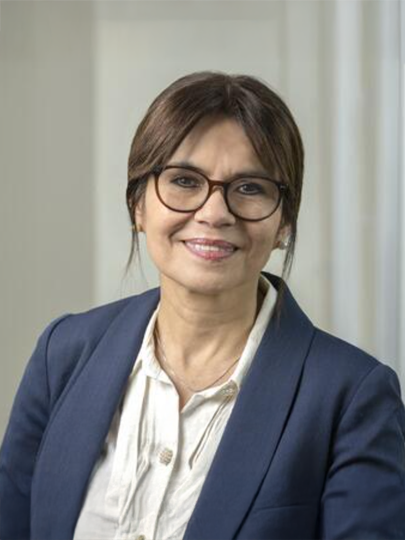
Dr. Rosana Esteller
Professor,
Biomedical Engineering Department,
University of Minnesota.
MnDRIVE Neuromodulation Scholar
Co-founder, IntelliMedix Inc. (Key architect of the world’s first closed-loop brain-implantable neuromodulation device for epilepsy)
Former Associate Director & Scientific Fellow, R&D Boston Scientific
Our
Co-Principal Investigator
Dr. Sandipan Pati
Professor,
Neurology Department,
University of Minnesota.
MnDRIVE Neuromodulation Scholar
Dual board-certified Epileptologist, and Neurophysiologist.
Director of the UMN Epilepsy Comprehensive Program.
Our
Faculty Collaborators
Dr. Ashwin Viswanathan
Professor,
Neurosurgery Department,
Baylor College of Medicine,
Houston, Texas.
Director of Functional Neurosurgery,
Baylor College of Medicine.
Medical Director, Neurosurgery, Baylor College of Medicine.
Neurosurgery Service Chief, Baylor St. Luke's Medical Center.
Dr. David Darrow
Assistant Professor,
Neurosurgery Department,
University of Minnesota.
MnDRIVE Neuromodulation Scholar.
Institute of Translational Neuroscience Scholar.
Rockswold-Kaplan Endowed Chair for Traumatic Brain Injury (with Hennepin Healthcare).
Our
Post-Doctoral Fellows
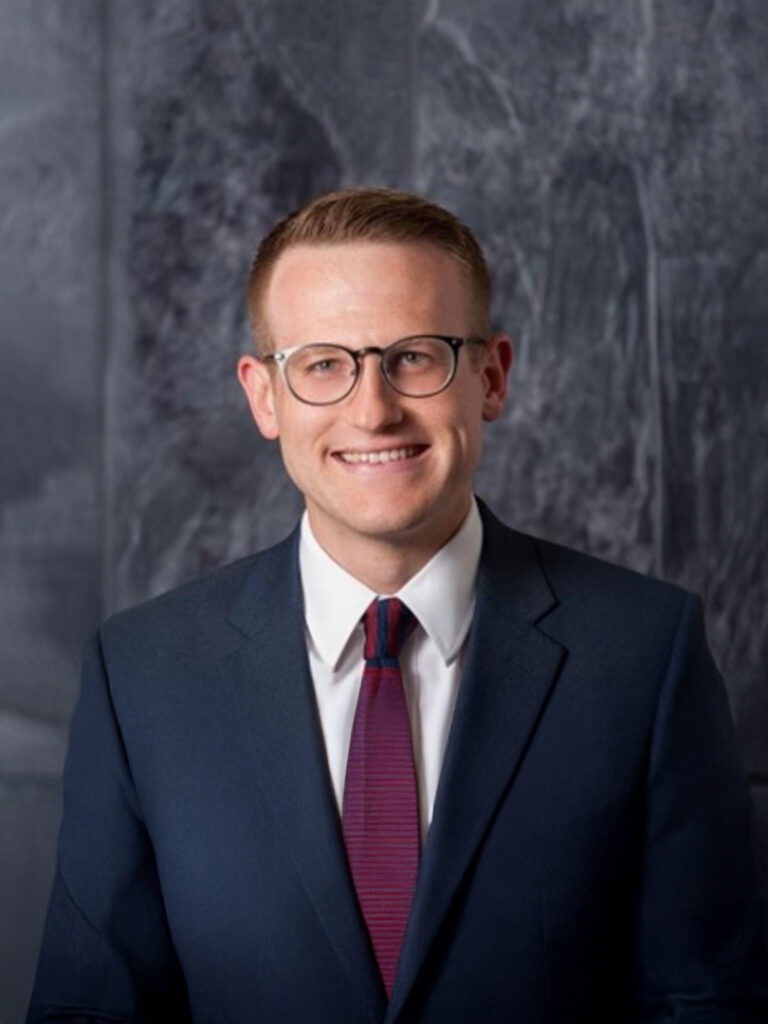
Dr. Ajay Deep Kachhvah
I aim to advance translational neuroscience by applying network science, signal processing, and machine learning to identify reliable biomarkers of epilepsy control and neuromodulation treatment success. My research focuses on uncovering disease-related neural mechanisms and developing biomarkers that guide personalized therapeutic strategies. Ultimately, I hope to translate computational insights into improved neuromodulation therapies and better clinical outcomes for patients with epilepsy.
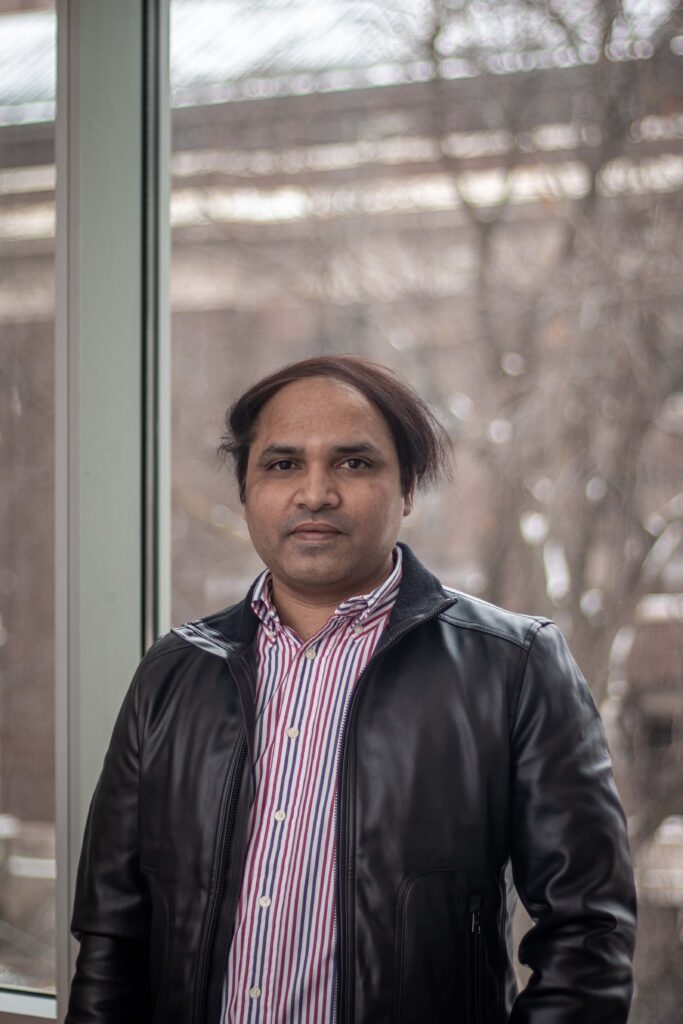
Dr. Sai Sanjay Balaji
My Ph.D. research focused on data-driven computational methods for epilepsy management, including graph-based biomarker discovery for seizure onset zone identification and personalized seizure prediction models. My long-term goal is to translate these methods into clinical practice by developing and validating optimized, long-term closed-loop stimulation protocols for neurological disorders. Ultimately, I aim to use data-science frameworks to advance personalized and adaptive therapeutic solutions across healthcare and biomedical research.
Our
PhD Students
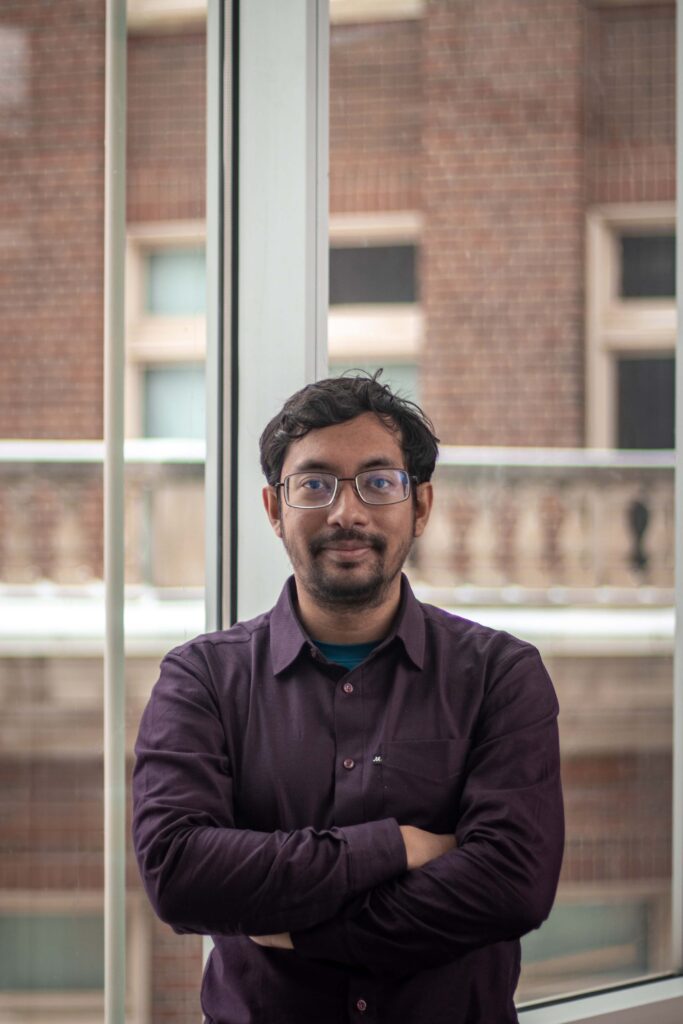
Taka Manabe
Master of Science in Biomedical Engineering
Taka Manabe's research focuses on brain functions and developing computational tools for neural conditions. His doctoral work investigates neural signatures for pre-ictal seizure prediction. He earned his M.S. at Northwestern (under Dr. Slutzky and Dr. Glaser), where he studied non-frontal neural signatures to decode speech intent. Prior projects include developing surgical skill metrics and studying effective connectivity in stroke neurorehabilitation.
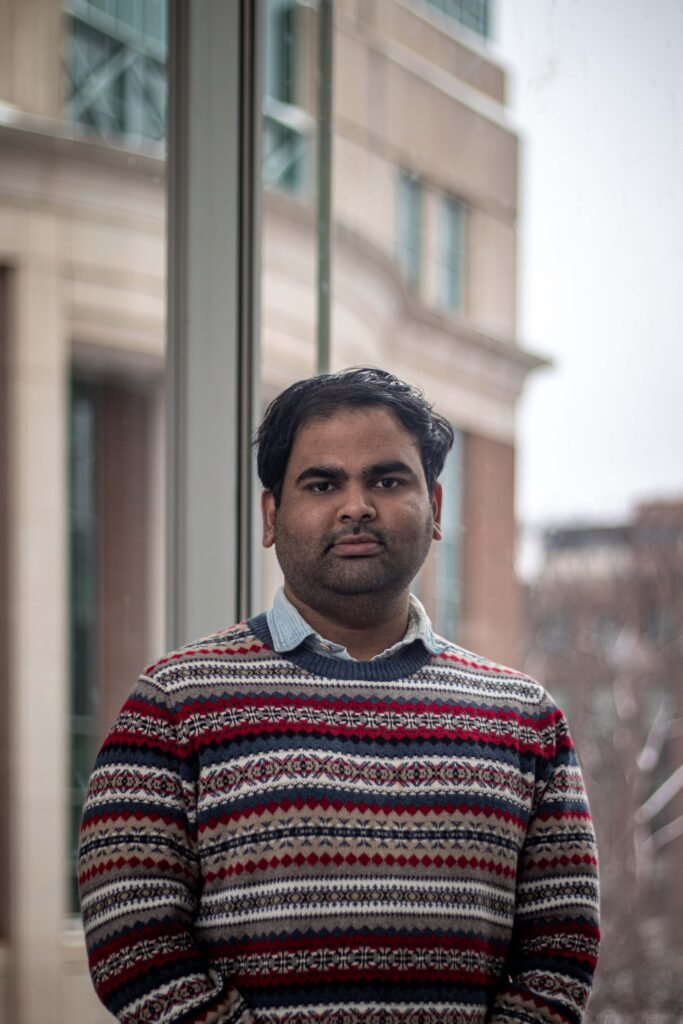
Amit Dutta Roy
Bachelor of Science in Biomedical Engineering
Amit Dutta Roy earned his B.Sc. in Biomedical Engineering from KUET, Bangladesh, where he later held academic roles. He is now pursuing a PhD, focusing on neural engineering and non-invasive spinal sensory processing. His research investigates electrophysiological biomarkers in the cervical spinal cord to identify objective indicators of neurological disorders. Outside the lab, he enjoys online chess, anime, and spending time with his family.
Sarah Bulur
Bachelor of Science in Biomedical Engineering
Sarah Bulur is pursuing her PhD in biomedical engineering at the University of Minnesota, where she investigates how computational modeling, AI, and bioinformatics can advance intelligent closed-loop neurotechnologies. Her research also explores hardware-software integration in neural devices and wearable biosensing systems.
Our
Masters Students
Brad Fisher
Bachelor of Science in Biomedical Engineering
Brad Fisher is a master’s student in the Department of Biomedical Engineering. He conducts research in the Translational NeuroTechnology Lab, studying how electrical stimulation influences EEG signals and neural dynamics. After earning his degree, he plans to pursue a career in industry developing innovative neuromodulation technologies.